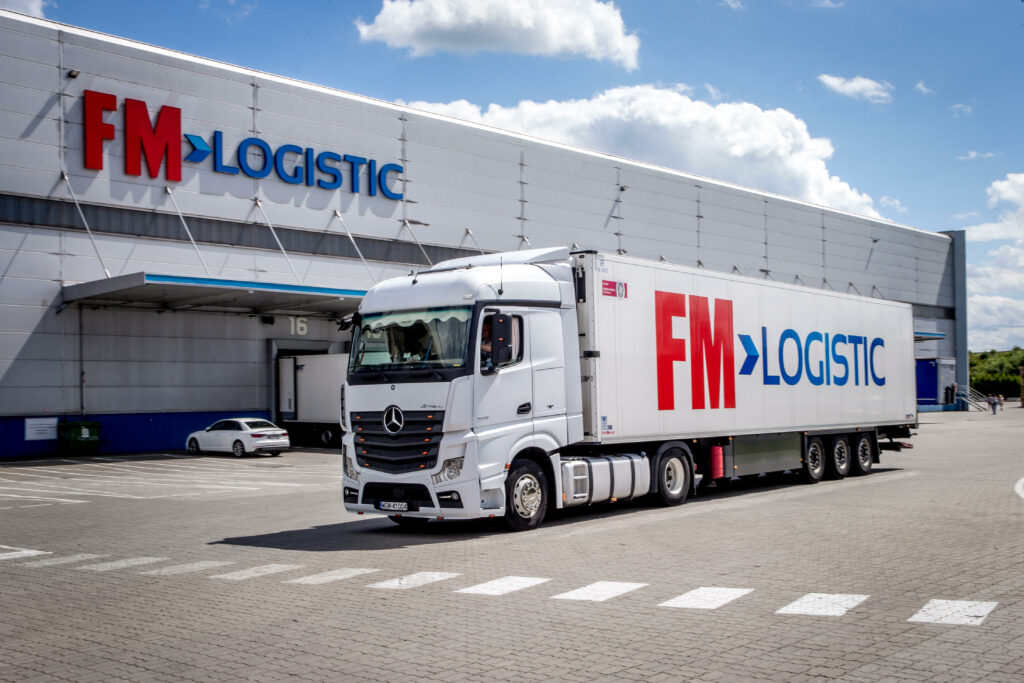
About the company
FM Logistic — a global logistics market leader with 50 years of expertise. The company manages complex supply chains for the FMCG, retail, and pharmaceutical sectors. In the B2B segment with long deal cycles, every contact is critical to a client's LTV (Lifetime Value).
The problem: fragmented feedback and blind spots in the sales funnel
Before partnering with Revisior, customer experience data was collected on a point-by-point basis. The core challenge was how to understand buyers at different stages of interaction and turn their feedback into a strategic asset.
Key challenges:
- Absence of pre-sale stage data: no way to evaluate the quality of managers' initial communications.
- The "silent churn" problem: insufficient information about why clients were pausing orders.
- Need for scalability: the need to build a unified survey system for potential clients, existing partners, and carriers.
- Absence of a unified methodology: the need to transition to data-driven management to increase company loyalty and revenue.
Solution: building an omnichannel customer analytics ecosystem
Together with Revisior, a three-vector data collection model was developed, adapted to the specifics of the logistics business.
1. Potential demand analysis (FM Logistic_Prospects)
A native tool was used to measure NPS and initial contact quality:
- Mechanism: integration of a survey banner directly into managers' email signatures.
- Result: 50 verified reviews collected within a short time. This made it possible to understand how potential clients rated the clarity of proposals and the team's professionalism even before contract signing.
2. Reactivation and churn cause analysis (Pause in orders)
A separate analytics segment is directed at clients who have suspended cooperation.
- Methodology. Automated email surveys to identify "stop factors."
- Strategic decision. To increase response conversion, connecting a call center and verifying an alpha name for email campaigns was proposed, which increases brand trust (Open Rate).
3. Regular partner network monitoring (Carriers & Current Customers)
Launch of scheduled surveys for existing clients and carriers.
- Goal: creating a comprehensive customer analytics system that allows partner needs to be forecast and service processes to be adjusted promptly.
Expert block: customer analytics as a revenue driver
Customer analytics: how to understand buyers, increase their loyalty, and grow company revenue? The FM Logistic case provides clear answers:
- Feedback segmentation. Dividing reviews into "Prospective," "Active," and "Lost" allows marketing and the sales team to act with precision.
- Alpha name technology. Using verified contacts for data collection improves sample quality. The client sees a request from the brand, not from an external service.
- Identifying revenue loss points. Understanding why orders are being paused makes it possible to change terms or the service model in time to bring the client back to an active phase.
Results: from reviews to strategic insights
- Systematic approach. The first comprehensive feedback collection model was built, covering 360° of B2B interactions.
- Transparency. An NPS profile of pre-sale communication was established.
- Infrastructure. The technical foundation for scaling surveys via email and call center was prepared.
- Data-driven approach. Hypotheses for improving operational performance were formed based on real market requests.
Conclusions
For FM Logistic, partnering with Revisior was a step toward building a transparent experience management system. Customer analytics helped structure chaotic feedback into measurable metrics that directly affect the stability of partner relationships.
"Systematic feedback in B2B is not just courtesy — it is a radar that allows you to see client churn risks before they become critical."
Want to find out how customer analytics can increase your company's revenue? Request a personal Revisior demo. We will help you understand your target segments, establish data collection at every stage of the funnel, and turn loyalty into your primary competitive advantage.

Systematic feedback in B2B is not just courtesy — it is a radar that allows you to see client churn risks before they become critical